

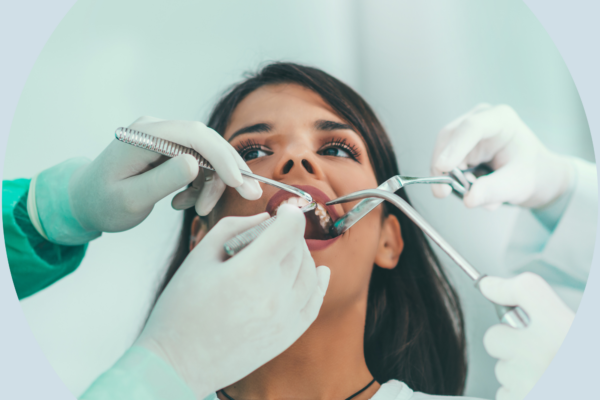
The dental industry, like many other sectors, traditionally relies on various products and technologies that can be harmful to the environment.
The healthcare sector accounts for an estimated 4.4% of global net emissions. Dental practices can play a significant role in mitigating the environmental impacts associated with healthcare delivery.
Dental practices that impact the environment include single-use plastics, high water usage, and disposal of hazardous chemicals. The adoption of sustainable practices in dental offices reduces this environmental impact and enhances patient safety by minimizing exposure to harmful substances.
Benefits for the Patient
Sustainable dental practices offer many benefits to patients beyond the environmental impact. Here are some of the key reasons why these practices are beneficial for patients.
Reduced Exposure to Toxic Chemicals: Traditional dental materials and practices can involve substances that might be harmful over long-term exposure. Sustainable practices emphasize using safer, non-toxic materials for fillings, prosthetics, and other dental implements. This reduces the risk of adverse reactions and promotes overall patient health.
Improved Indoor Air Quality: Dental practices that focus on sustainability are likely to use eco-friendly cleaning and sterilization chemicals, which are less likely to release harmful volatile organic compounds into the air. This improves the indoor air quality of the dental office, providing a healthier environment for patients and staff.
Enhanced Patient Trust and Satisfaction: Knowing that their dental care provider is committed to environmentally friendly practices can increase patient trust and satisfaction. Many patients today are environmentally conscious and prefer to support businesses that demonstrate a commitment to sustainability.
Allergy-Friendly Options: Eco-friendly dental practices often use hypoallergenic materials that are less likely to trigger allergic reactions. This is particularly beneficial for patients who are sensitive to certain chemicals and materials commonly used in traditional dentistry.
Cost-effectiveness: In some cases, sustainable practices can be more cost-effective in the long term. For example, using durable, high-quality materials may reduce the need for frequent replacements or repairs, saving patients money over time.
Overall, sustainable dental practices help reduce the environmental impact of dental care and enhance patients’ health, comfort, and satisfaction.
Benefits to the Planet
Sustainable dental practices offer several benefits to the planet, primarily by reducing the environmental footprint of dental care. Here are some of the key ways these practices contribute to environmental sustainability.
Reduction in Waste Production: Traditional dental practices can generate significant waste. In the United States, healthcare facilities generate an estimated 14,000 tons of waste every day. Sustainable practices focus on reducing waste through measures like recycling, using reusable products, and choosing biodegradable materials wherever possible.
Decreased Chemical Pollution: Many dental procedures involve chemicals that can be harmful to the environment, such as silver amalgam fillings that contain mercury, and various disinfectants and solvents. By adopting non-toxic and biocompatible materials, sustainable dental practices reduce the amount of chemical pollutants that enter the ecosystem through wastewater or improper disposal.
Energy Efficiency: Dental offices that emphasize sustainability often invest in energy-efficient technologies, such as LED lighting, energy-efficient dental equipment, and smart systems to manage energy use more effectively. This reduces the overall energy consumption and associated greenhouse gas emissions, contributing to efforts against climate change.
Water Conservation: Dental practices typically use considerable amounts of water for various procedures and cleaning processes. Sustainable practices may implement water-saving technologies and practices, such as efficient suction systems and autoclaves that minimize water usage, thus conserving this vital resource.
Sustainable Sourcing: Choosing suppliers and materials that adhere to sustainable practices also has a ripple effect. For example, sourcing biodegradable products made from sustainably harvested materials or choosing supplies manufactured with renewable energy supports broader environmental goals and encourages more industries to adopt eco-friendly practices.
These environmental benefits contribute to the broader global efforts to combat climate change, preserve natural resources, and maintain the health of our planet for future generations.
Our Commitment to Sustainability
Richmond Dental & Medical stands out in our commitment to sustainability, integrating eco-friendly solutions across its operations. The company has made significant strides in reducing our environmental footprint by adopting the following practices.
Richmond Dental & Medical offers a range of PFAS-free products, ensuring that patients are not exposed to these harmful chemicals. Many of Richmond’s products are made from biodegradable materials, promoting environmental sustainability. This initiative helps reduce landfill waste and the environmental impact associated with disposal.
We employ energy-efficient manufacturing processes, significantly reducing energy consumption and greenhouse gas emissions. This commitment enhances operational efficiency and contributes to broader environmental goals.
To learn more about how you can integrate sustainable practices into your dental care, contact Richmond Dental & Medical.