

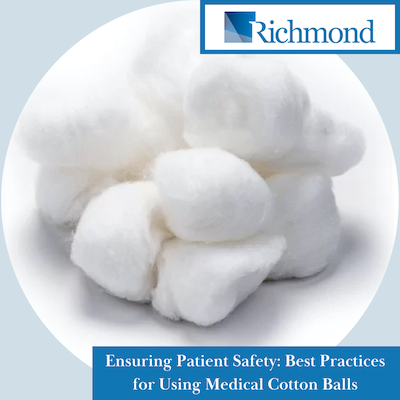
While medical cotton balls are commonplace in healthcare settings, their safe and effective use demands a meticulous adherence to best practices.
From proper storage and safe handling to appropriate selection and responsible disposal, each step plays a vital role in safeguarding patient well-being and minimizing the risk of healthcare-associated infections. By prioritizing these fundamental guidelines and utilizing high-quality products—such as Richmond’s 100% USP-standard, medical-grade purified cotton—healthcare professionals can ensure that even the simplest of tools contributes to the highest standards of patient safety.
Thoughtful Storage and Handling
Ensuring patient safety begins long before a cotton ball comes into direct contact with a patient. Proper storage is the first line of defense against potential contamination. Implementing clear protocols for checking packaging integrity upon receipt and before use is a fundamental aspect of quality control.
Medical cotton balls should ideally remain in their original, intact packaging until the precise moment of use. This protective barrier helps maintain cleanliness during storage and transport. Once the packaging is compromised, the risk of environmental contaminants affecting the supply increases.
Upon opening, the principle of single-use remains a critical consideration. Any cotton balls remaining after a procedure should still be discarded appropriately. Reintroducing previously exposed cotton balls, even on the same patient, elevates the risk of introducing potential contaminants. This practice aligns with the broader principles of minimizing the bioburden in the patient environment.
Direct handling of medical cotton balls should always be performed with clean, preferably gloved hands or sterile forceps. The transfer of microorganisms from healthcare personnel to patients is a well-documented pathway for potential issues. Employing sterile instruments or donning gloves creates a crucial barrier, minimizing this risk. This seemingly small step underscores a fundamental tenet of responsible practice: every point of contact is a potential point of transfer.
Appropriate Product Selection and Usage
The diverse nature of medical procedures necessitates a corresponding variety in the tools employed. Medical cotton balls are no exception. Products like Richmond Dental & Medical’s medical balls are available in various sizes and configurations to meet the specific demands of different clinical applications.
Richmond makes medical balls crafted from premium 100% cotton, designed for general use across various dental and medical applications. Their high absorbency ensures quick and effective moisture control, which is crucial in many clinical scenarios. The soft and compact design prioritizes patient comfort while maintaining ease of application for professionals.
Selecting the appropriate size and type of cotton ball for the task at hand enhances procedural efficiency and contributes to patient comfort and safety. For instance, delicate procedures might call for smaller, tightly wound balls to allow for precise application without disturbing surrounding tissue. Managing larger volumes of blood or other fluids may require a more absorbent, larger size to minimize the need for frequent changes and potential disruption of the treatment area.
Medical cotton balls must be stored and maintained in a dry environment. Moisture can compromise the integrity of the cotton fibers and create conditions conducive to microbial growth. Storage in cool, dry conditions is essential to preserve the quality and usability of the product. Accidental wetting of cotton balls prior to use necessitates their immediate disposal.
Addressing Potential Sensitivities and Ensuring Proper Disposal
While cotton is generally considered a hypoallergenic material, it is prudent to be aware of patients with known sensitivities. A thorough review of a patient’s allergy history is a standard component of safe practice. Although rare, being mindful of potential reactions to cotton is a responsible element of patient care.
Finally, the disposal of used medical cotton balls must adhere to established protocols for biohazardous waste, particularly if they have come into contact with bodily fluids. Contaminated materials pose a risk to healthcare personnel and the environment if not handled and discarded correctly. Utilizing designated biohazard containers and following institutional guidelines for waste management ensures the safe and compliant removal of potentially contaminated waste, minimizing the risk of accidental exposure and environmental contamination.
By adhering to meticulous best practices in storage, handling, selection, and disposal, healthcare professionals can significantly contribute to patient safety and minimize the potential for complications. Healthcare providers underscore their commitment to excellence when they use reliable products designed with patient care in mind.
Explore how Richmond Dental & Medical’s quality medical cotton balls can support your commitment to patient safety and learn more about their range of sizes and material blends.