

The desire to increase efficiency while maintaining rigorous infection control drives innovation in dental care. Everything in the office represents a potential for innovation, including the often-overlooked dental dispenser.
The way practitioners access consumables, such as cotton rolls and pellets, impacts the safety and speed of dental procedures. These dispensers are more than simple containers; they are sophisticated systems designed for optimal performance.
Trends in Dental Dispensers and Their Impact
The trend toward single-dose or unit-dose packaging and corresponding dispensers has dramatically improved infection control. Instead of multi-use containers that could harbor pathogens, these systems provide pre portioned amounts of material, ensuring sterility for each patient. This eliminates the need for scooping or pouring from larger containers, a common source of contamination.
Dispensers are increasingly designed with ergonomics in mind, promoting easier access and reducing strain on dental professionals. This can include features like angled dispensing ports, one-handed operation, and clear labeling, all contributing to a smoother workflow and less procedural time.
As new dental materials are developed, dispensers are adapting to their specific properties. This ensures proper handling, preventing degradation or premature setting of sensitive materials like composite resins or adhesives. Dispensers with precise temperature control or light-curing capabilities are becoming more common for these advanced materials.
Modern dental units often feature integrated dispensing systems for various liquids, such as disinfectants, etchants, or bonding agents. These systems are designed to be closed circuits, preventing air exposure and contamination and offering precise control over flow and volume.
Unit-dose systems streamline procedures, reduce preparation time, and minimize material waste. Ergonomic designs contribute to less fatigue for practitioners, allowing for more sustained focus and productivity.
For infection control, the benefits are even more profound. Single-use packaging and closed dispensing systems significantly lower the risk of bacterial and viral transmission, creating a safer environment for both patients and the dental team. This adherence to strict infection control protocols is paramount in today’s healthcare landscape.
Choosing the Right Dental Dispensers for Different Procedures
Selecting appropriate dental dispensers is crucial for a well-functioning and safe dental practice. Considerations vary depending on the type of material and the procedure being performed:
- For Cotton Products (Rolls, Pellets, Sponges): Choose dispensers designed for single-item dispensing to minimize the risk of contamination. Opt for autoclavable or disposable models to help maintain sterility. Prioritize designs that are simple to load and allow quick, one-handed access. Richmond Dental offers a variety of autoclavable dispensers, including product codes #600095, #600091, #600092, #600093, #600601, #200224, and #200424.
- For Liquids (Etchants, Bonding Agents, Disinfectants): Opt for dispensers with precise flow control to prevent spills and wasted material. Sealed systems that protect the liquid from air and light exposure are essential for maintaining material integrity and preventing contamination. Pump dispensers or syringe-style dispensers are often suitable.
- For Restorative Materials (Composites, Cements): Compatibility with the material is key. Many composites come in pre-filled tips that can be directly inserted into a universal dispenser gun. For cements or impression materials, consider automated mixing and dispensing units that ensure consistent ratios and minimize manual handling.
- For Prophylaxis Pastes and Fluoride Gels: Unit-dose cups or squeeze-tube dispensers are highly recommended for these materials to prevent cross-contamination between patients.
Regardless of the procedure, certain considerations are universal. To maintain sterility, any dispenser—like those offered by Richmond Dental—should be either autoclavable or disposable. Additionally, look for dispensers with smooth surfaces and minimal crevices to allow for easy and effective disinfection.
Choose dispensers made from robust materials that can withstand repeated use and sterilization cycles. Clear or transparent dispensers allow for easy monitoring of material levels. Finally, consider the counter space available when making selections.
Richmond’s Dental Dispenser Solutions
Richmond Dental & Medical has a long-standing reputation for producing high-quality dental consumables, and our line of dental dispensers reflects our commitment to efficiency and infection control. Our solutions are designed to complement their absorbent products, ensuring optimal performance and hygiene.
Chrome Tiltop Pellet Dispensers are autoclavable and crafted from high-quality stainless steel chrome. Each Tiltop dispenser is designed to hold a single size of cotton pellet, available for refill sizes #1 through #4. This targeted design ensures precise dispensing and minimizes potential contamination from handling multiple sizes at once.
The Plastic Temple Pellet Dispenser offers enhanced versatility, accommodating four different pellet sizes simultaneously (#1 through #4). This feature is particularly useful for practices that utilize various pellet sizes frequently. Like the Tiltop, the Plastic Temple dispenser is also autoclavable, ensuring adherence to strict sterilization protocols.
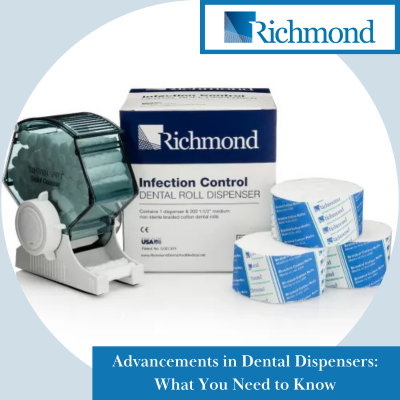
Richmond’s Infection Control Dental Roll Dispenser is specifically designed for infection control, allowing for the sterile dispensing of one cotton roll at a time. This significantly reduces the risk of contaminating the entire supply of cotton rolls. Staff can sterilize these durable dispensers with an autoclave or chemclave.
Our dental dispensers are thoughtfully designed for ease of use, durability, and, most importantly, infection control. By focusing on single-item retrieval and autoclavability, we help dental professionals maintain a sterile field and enhance procedural efficiency.
Do you want to improve infection control and efficiency with our dental dispensers? Discover the options today.